Tile Installation Cost Explained: 3 Things That Impact Your Price
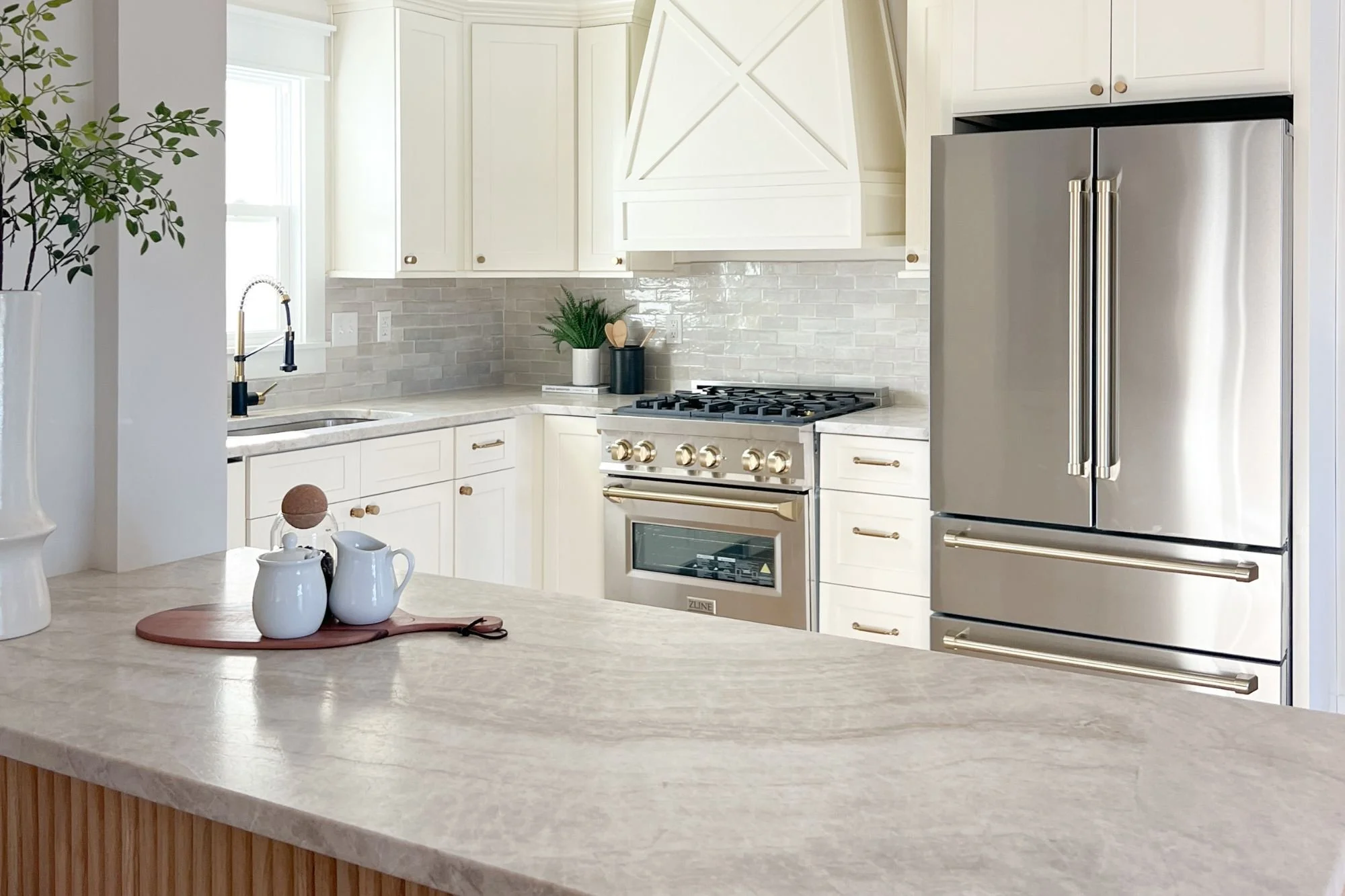
Whether it’s a new tile shower in your bathroom, laundry room floor, or kitchen backsplash, there’s no doubt that tile can completely transform a space. If you’re budgeting for a tile renovation project, it’s important to understand factors that can impact the cost of your tile install. We’re talking about the labor here, not the material costs. Let’s dig into it.
What Impacts the Cost to Install Tile
When planning a tile renovation project, many homeowners are focused on the material costs. Tile installation costs can vary greatly. Labor pricing depends on the type of tile you choose, the layout or pattern you want, and the size of the tile itself.
Tile Material and How It Affects Labor Cost
What your tile is made of can absolutely affect your installation cost. When getting quotes, it’s wise to have the exact tile selected so that you can get an accurate bid from your contractor.
Why Natural Stone Costs More to Install
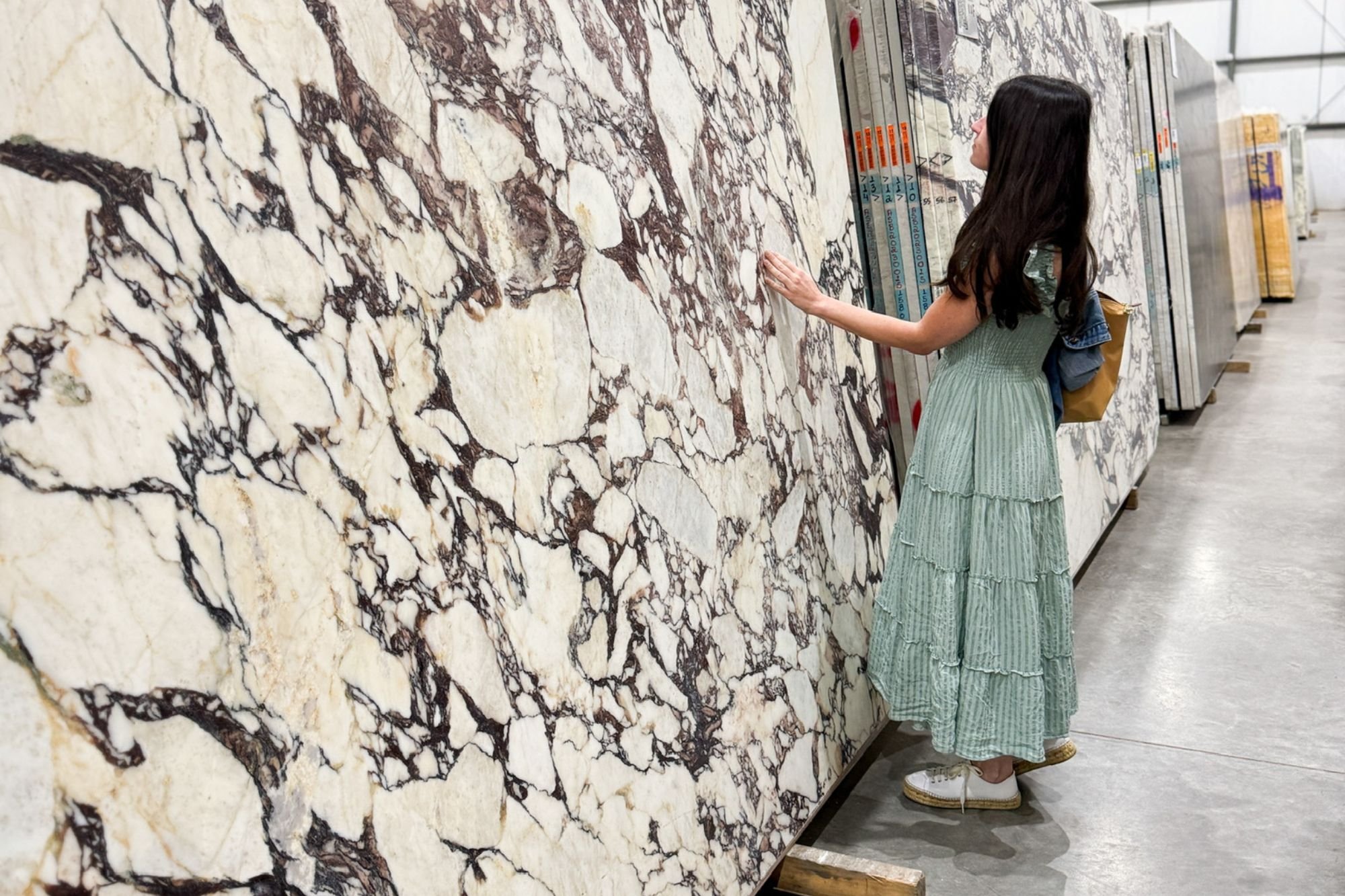
Natural stone, like marble or travertine, is an expensive tile material to install. It’s heavy, can be brittle, and is often uneven, which makes it harder to work with. Because of its heavy weight, it may require an additional installer to help lift and set the tile. More installers means a higher cost.
It can also require specialized blades and saws to cut. In general, its brittle, uneven nature and unpredictability make it more labor intensive. You will want to order extra tile since it’s prone to breakage.
When Your Tile Choice Increases Labor Time
Some tiles take longer to install because of the way they are made. Zellige tile is a good example of this. Since each piece is handmade and slightly different, your installer has to take additional care. Anything that is irregular will require your installer to spend more time adjusting, leveling, and making precise cuts.
Tile Layout or Pattern
If you’re having your installer lay an intricate pattern, you’re going to pay for it. Ornate penny tile borders will naturally take more time and effort to install than one solid color tile. In addition to time spent laying out the tile pattern, it also may require more cuts.
This one feels obvious, but it’s something many homeowners overlook when budgeting for a renovation.
Tile Size and Installation Cost
You might be wondering if the size of your tile can lead to increased labor costs. Both very large and very small tiles can affect your overall cost.
Why Large Format Tiles Can Cost More
Large format tiles can create a nice, clean look with fewer grout lines. However, there are many things installers must account for behind the scenes to make large format tiles work.
For instance, large tiles require a perfectly even surface or they can crack or create uneven edges. You always want a surface as level as possible, but there’s a bit more room for error with smaller format tiles.
Bigger tiles may also necessitate an additional installer to help lift and set the tile because of the size and weight.
In general, we have found that larger tiles are still less expensive than smaller tiles to install, but it all depends on your tile and your installer.
When Small Tile Increases Labor Costs
If bigger tiles can be more expensive to install, then you might be wondering if smaller tiles are cheaper to install. Sorry…not exactly.
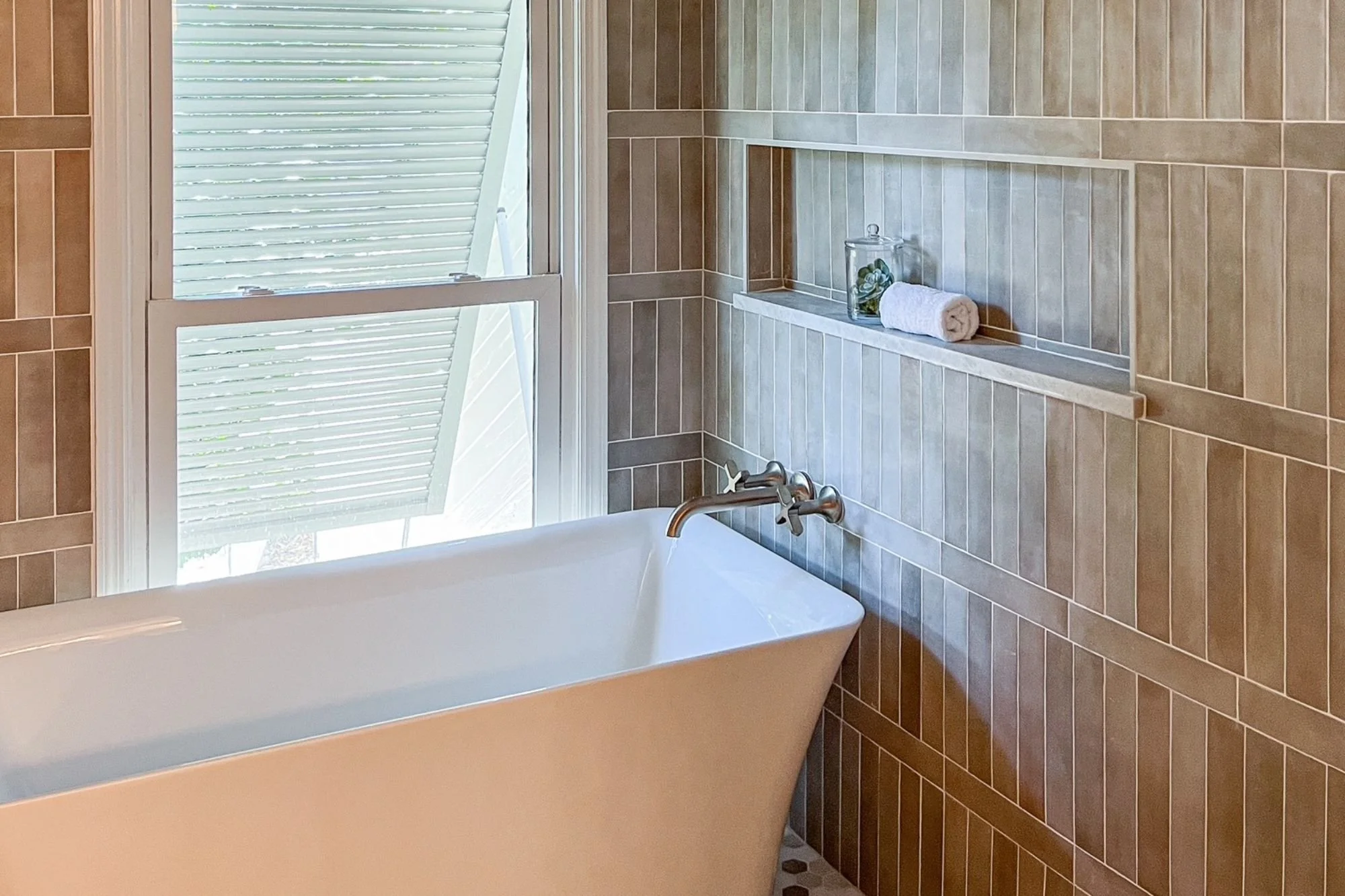
It might look simple, but some smaller tiles often take longer to install. Why? There are more individual pieces to lay and more grout lines to finish. More cuts around edges and corners also taking more time and can drive up labor costs.
Extra Tile Costs People Forget
As with all home renovation projects, there are always more costs than you think. Here are a few sneaky things that add up quickly.
Tile Removal
Don’t forget about the demo. Talk to anyone who has removed tile in an old bathroom, and they’ll tell you this is not something to underestimate. We’ve removed our fair share of 4x4 tile in 1960’s bathrooms and the wire mesh bed is no joke.
A more time consuming and labor intensive demolition will obviously lead to higher labor costs for your renovation project.
Subfloor and Waterproofing
Unveiling an uneven or damaged subfloor is not a fun surprise, but it does happen. If your subfloor is in need of some TLC, that is something that will definitely need to be remedied before you even think about laying tile. Make sure to budget for expected surprises.
In bathrooms or showers, waterproofing is essential. This is not something we’d recommend DIY-ing because if done incorrectly, you can have serious moisture issues. It takes time, experience, and special materials to be done correctly.
Grout
Grout may seem like a small detail, but your choice does impact installation cost. Standard grout is straightforward, but specialty grouts, like epoxy, may cost more.
Final Thoughts on Tile Installation Costs
The labor cost behind your tile project varies depending on many factors including your tile material, layout, and size. Extra steps like demo and waterproofing, plus additional materials like grout also increase cost. Understanding the different factors in your renovation cost can help you budget accordingly.
Happy tiling!
-Danny and Christina Pitcher
More Tile and Renovation Tips
Want more tile and renovation budget tips? Be sure to follow us @dgilpinproperties on Instagram, TikTok, and YouTube!