Top 3 Limewash Tips for Interior Walls
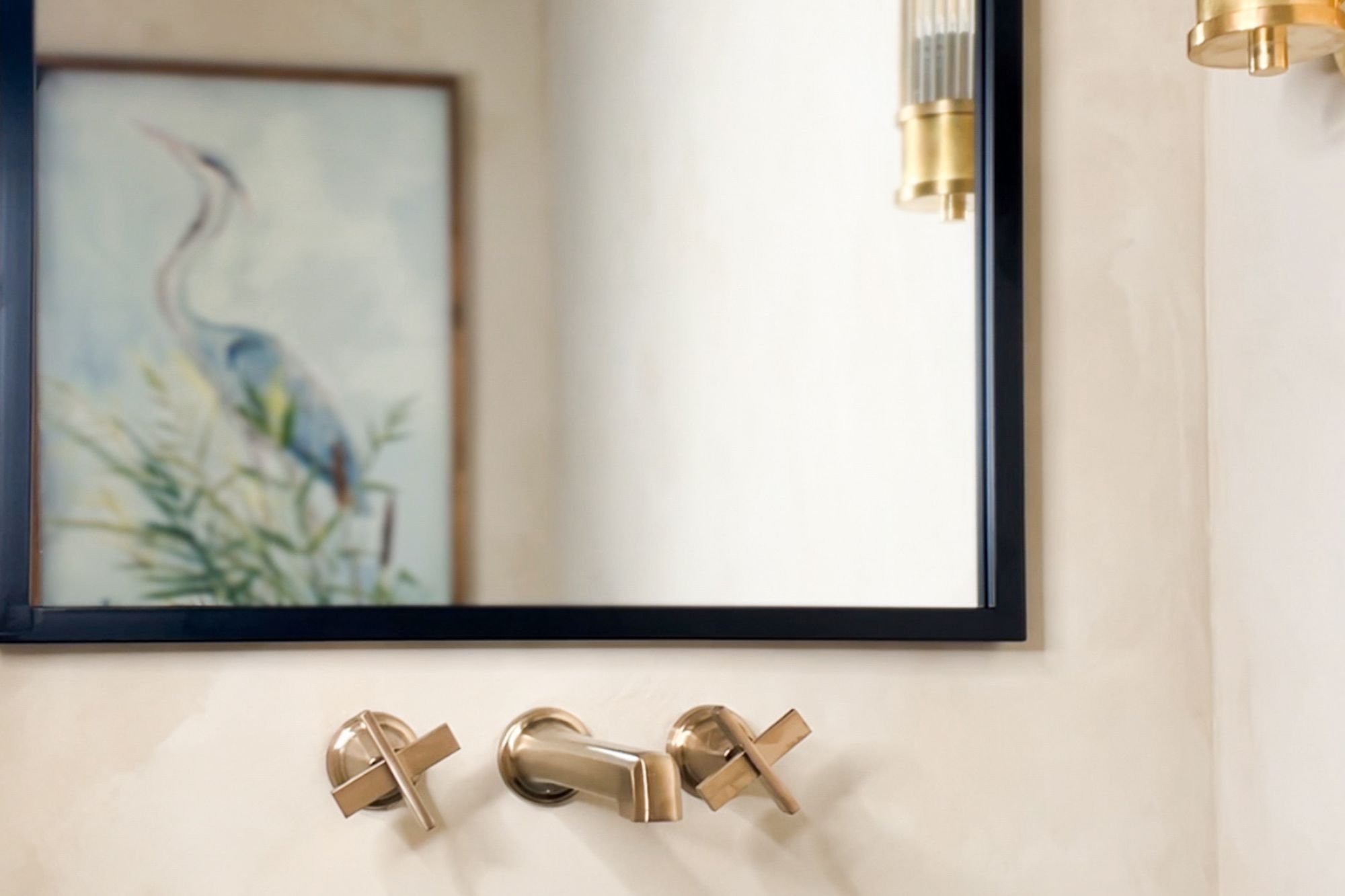
After sharing our viral limewash process online and reaching almost 16 million views, we learned the internet is quite divided on limewash. Those who love it came with a flood of questions, especially about technique and whether real limewash is worth it.
This post breaks down our top three limewash tips for interior walls, plus answers the questions we were asked most.
Why Choose Limewash for Interior Walls
Often accused of simply being a fleeting interior design trend, limewash has ironically been used for thousands of years. And for good reason. Beyond its aesthetic appeal, limewash is a versatile covering with a variety of benefits including sustainability, low VOC, and durability.
Top 3 Limewash Tips for Interior Walls
At this point, we’ve limewashed quite a few spaces and learned some things along the way. If you’re thinking about applying limewash to your space, knowledge is power. The key to a successful renovation or DIY project is always research upfront.
Tip 1: Make Sure You Have Enough Left For Your Second Coat
You’re going to to want to use at least 50% of your limewash on your second coat. If you don’t have at least half left your product after the first coat, order more before you begin your second coat.
Tip 2: Always Keep a Wet Edge
Limewash dries quickly. Once you start, you want to keep your brush edge wet as you work across the wall. Basically, you want to make sure you are overlapping each section while the previous one is still damp, instead of letting areas dry and then coming back to them.
If a section dries before you blend into it, you’re more likely to see patchy spots. Working in small sections help everything blend together and give you that soft, but intentional, limewash look.
Tip 3: Trust the Process
If you’ve watched any limewash tutorial videos or done any research, you’ve likely heard to “trust the process.” This is because it looks very questionable as you are applying and even after the first coat. But don’t fret, that’s totally normal!
Step back, let it do its thing, and evaluate once the wall is fully dry after your second coat. Limewash has a way of coming together in the end.
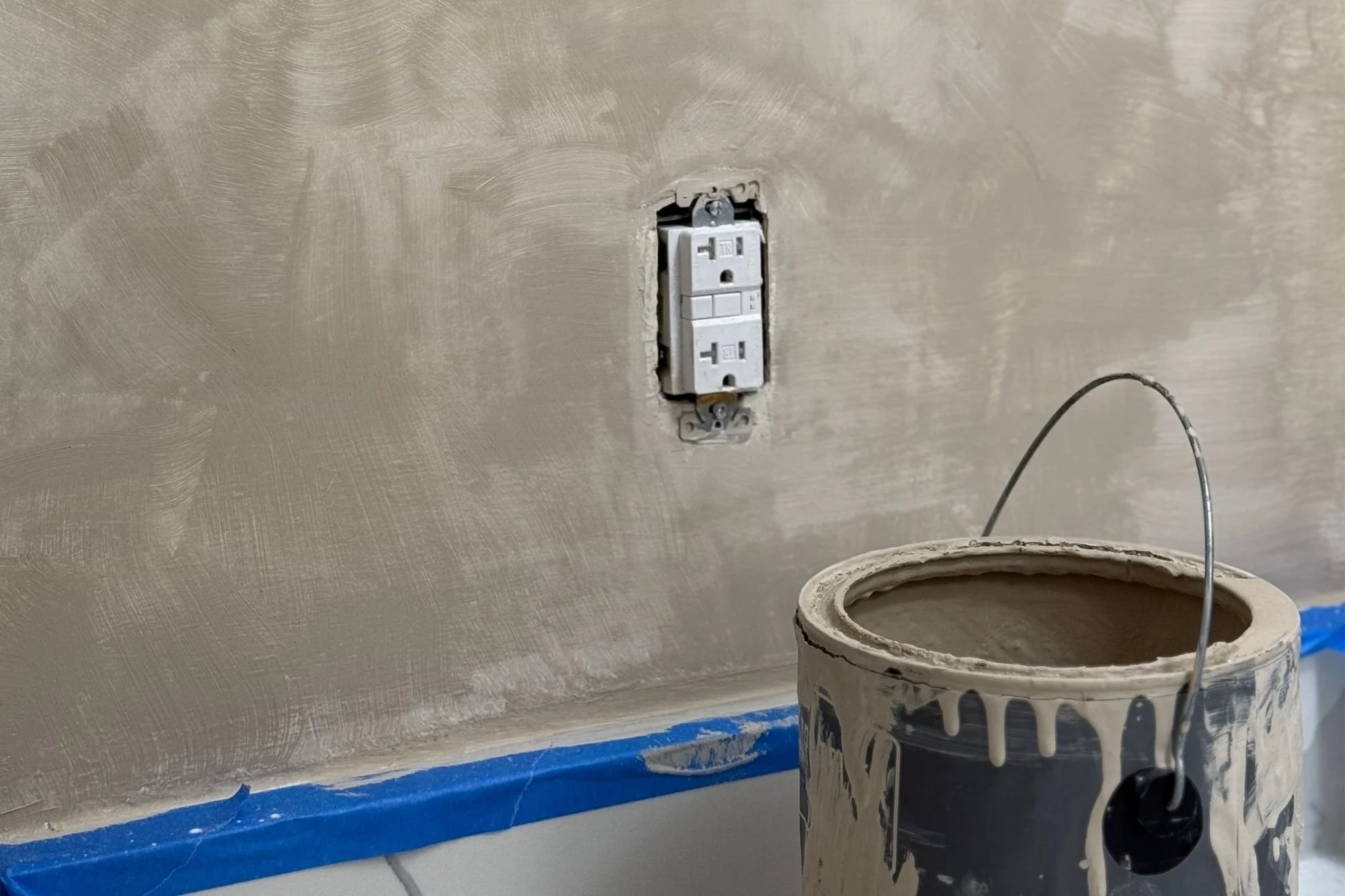
See what we mean by trust the process?
Is Limewash Better Than Faux Limewash Paint?
There’s a lot of buzz around faux limewashing. Let’s dig into what it is and if it’s a better option than genuine limewash.
Real Limewash vs Faux Limewash
So, what exactly is limewash? Limewash is made from crushed limestone, water, and natural pigments. Faux limewash, on the other hand, generally refers to taking two colors of paint and applying in the crosshatch pattern to mimick the look of limewash.
Faux limewash is popular because it is easier to apply and less expensive. but it does not replicate the natural texture, movement, or non-toxic benefits of real limewash
Why Non Toxic Materials Matter Indoors
Limewash is made from natural limestone, which means it’s free from the synthetic chemicals and harsh additives found in many conventional paints. It’s naturally low-VOC, breathable, and mold-resistant.
It allows moisture to move through walls instead of trapping it, which helps create a healthier environment, especially in older homes or humid climates. Limewash is just one way to lighten the toxic load in your home.
Frequently Asked Questions
When we posted our powder bathroom transformation with limewash, we started to receive many of the same questions. Here are a few of the most common questions we received.
Do I Need to Prep My Wall Before Limewashing?
Yes, you should prepare your walls ahead of applying limewash. Just like regular paint, you should prime your walls to ensure proper adhesion to the surface. We like Color Atelier’s Mineral Primer. It’s a good idea to use whatever your limewash manufacturer recommends, as some formulas may differ.
What’s the Best Brush for Limewash?
We like this Deck Brush from Amazon.
Block style brushes tend to work best. Look for one with long, flexible bristles that can hold a lot of product and move easily across the wall.
Should You Limewash the Ceiling?
We prefer the look of a limewashed ceiling and find that it makes the space look bigger when you’re applying it in a smaller space. That being said, it is a lot of work and your neck will probably be sore.
Does Limewash Work on Textured Walls?
This ultimately comes down to personal preference. We think textured walls compete with the natural texture of limewash, and therefore prefer this on untextured walls.
Final Thoughts on Limewashing Interior Walls
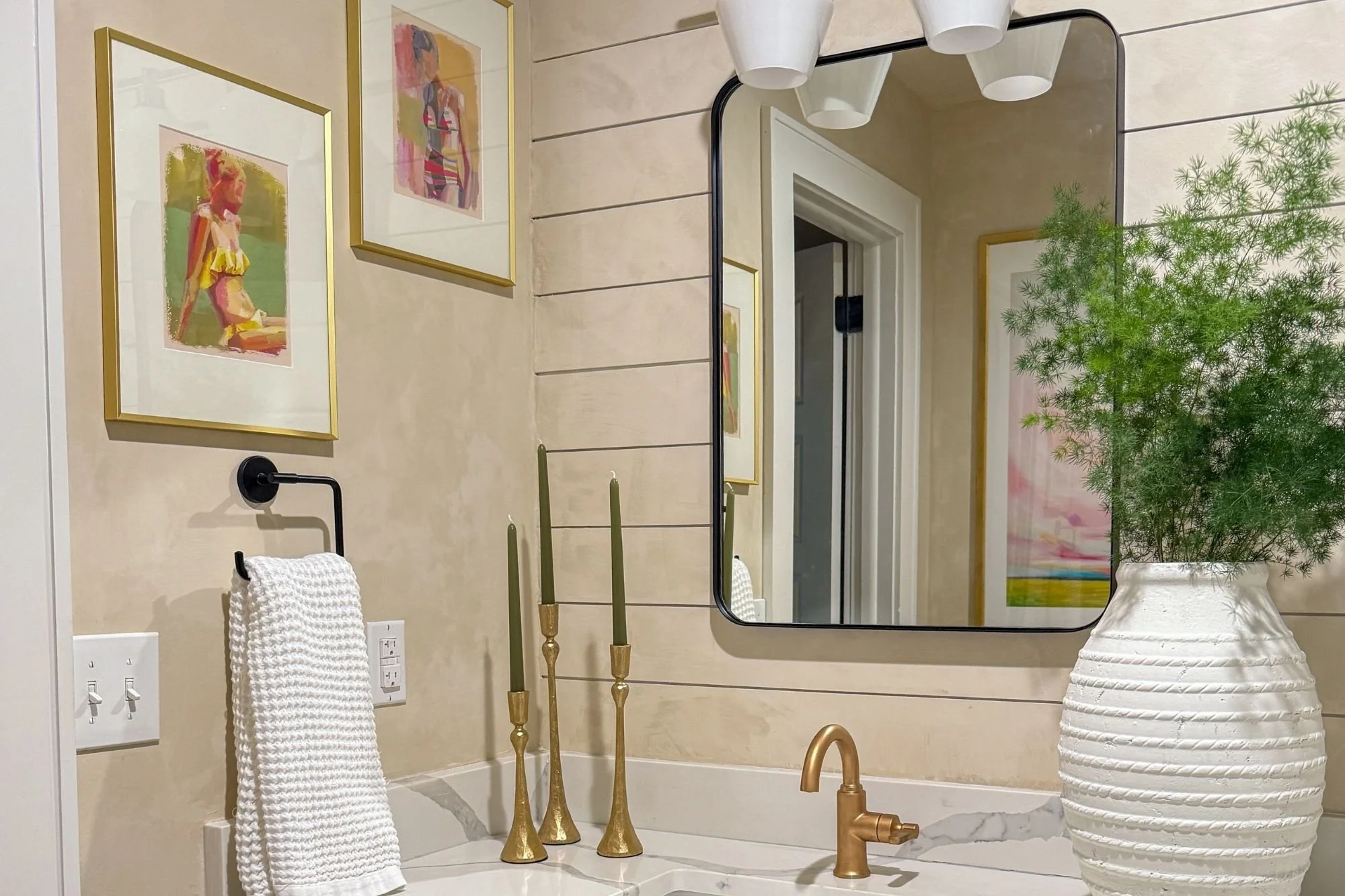
Limewash is not about perfection and that’s what makes each space so uniquely beautiful. It is not the fastest or easiest choice, but for the right space, the end result feels timeless, thoughtful, and worth the extra care.
-Danny and Christina Pitcher
More Limewash Tips
Want more limewash and home renovation ideas? Be sure to follow us @dgilpinproperties on Instagram, TikTok, and YouTube!
Some links in this post may be affiliate links.